 Skip to content

In industries where helmets are used daily, hygiene is no longer optional — it’s part of the customer experience. From karting tracks and motorcycle rental shops to ski resorts and industrial safety facilities, businesses are facing growing expectations around cleanliness, comfort, and sanitization.
That’s where professional helmet cleaning machines are changing the game.
The Hidden Problem Behind Shared Helmets
Shared helmets are exposed to sweat, bacteria, odor, makeup residue, dust, and moisture every single day. Traditional cleaning methods often involve manual spraying, wipes, or leaving helmets to air out overnight. These methods are time-consuming, inconsistent, and rarely provide deep sanitization.
For businesses handling dozens or even hundreds of helmets daily, this creates several challenges:
- Unpleasant odors that affect customer satisfaction
- Hygiene concerns between users
- Increased staff workload
- Damage caused by improper cleaning methods
- Slow turnaround during busy hours
Customers today notice cleanliness immediately. A fresh, sanitized helmet can improve the entire experience and increase trust in your business.
New Generation of Helmet Cleaning Technology
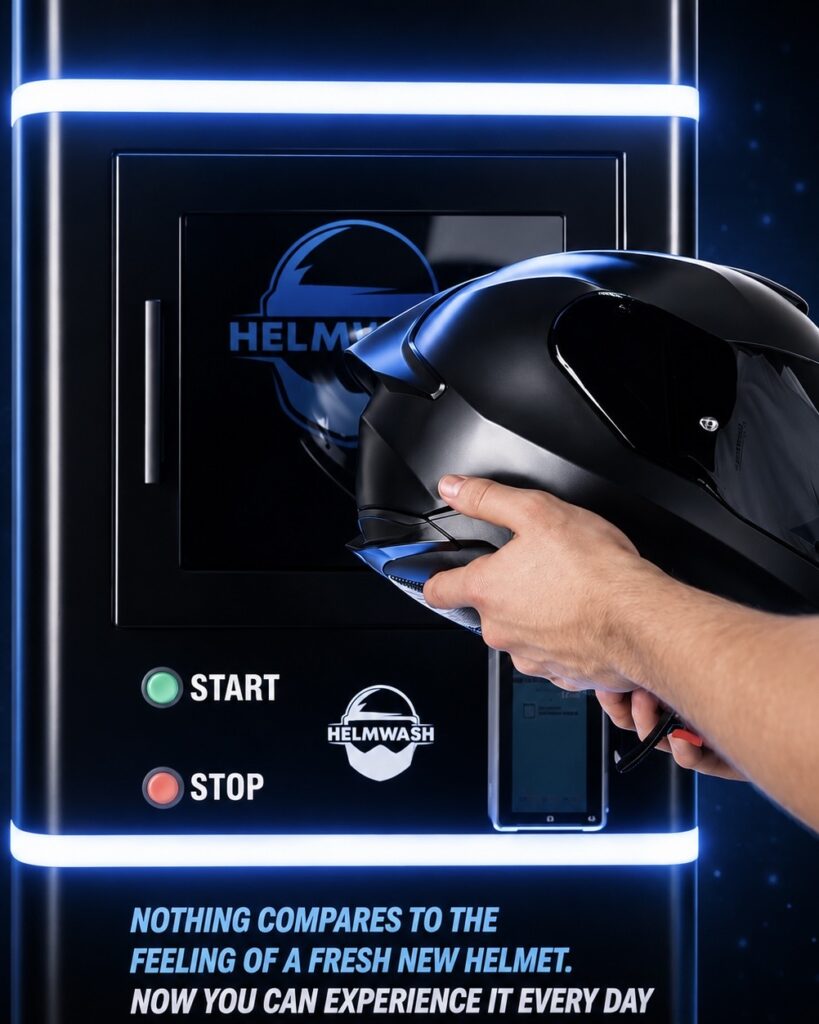
Modern helmet cleaning machines are designed to automate the sanitization process while maintaining helmet quality and reducing operational effort.
Unlike systems that rely on drying, our machine uses dry steam technology, which cleans and disinfects helmets without soaking the interior, greases the visor or requiring a separate drying function.
This approach provides several important advantages for businesses.
Why Dry Steam Makes a Difference?
Dry steam reaches high temperatures while containing very low moisture content. This allows the machine to:
- Eliminate bacteria and germs effectively
- Neutralize unpleasant odors
- Refresh helmet interiors quickly
- Avoid excessive moisture buildup
Because the steam is “dry,” the helmet does not become wet after cleaning. That means there is no need for an additional drying cycle, making the process faster and more efficient.
For high-traffic businesses, speed matters.